Alopecia | Understanding Androgenic Alopecia
Androgenic Alopecia, a hereditary condition, is the most common cause of progressive hair loss in both men and women worldwide. This genetic predisposition leads to significant thinning of hair, typically beginning in one’s mid-20s. Without timely intervention, it can advance to complete baldness over time.
At Trichos Hair Clinic, we specialize in diagnosing and treating Androgenic Alopecia with a combination of advanced surgical and non-surgical solutions to restore hair density and confidence.
Causes of Androgenic Alopecia
Androgenic Alopecia results from a genetic sensitivity to dihydrotestosterone (DHT), a hormone derived from testosterone. In individuals with this sensitivity, DHT binds to hair follicles, leading to their gradual shrinking and eventual loss of hair production.
This condition often manifests in predictable patterns:
- In Men (Male Pattern Baldness): A receding hairline or thinning at the crown.
- In Women (Female Pattern Baldness): Diffuse thinning across the scalp without a receding hairline.
Other factors that can exacerbate this condition include:
- Stress: Prolonged stress may accelerate hair thinning.
- Dietary Deficiencies: Lack of essential nutrients like iron, zinc, and vitamin D can worsen hair loss.
- Hormonal Changes: Imbalances due to conditions like polycystic ovary syndrome (PCOS) in women can trigger early onset of Androgenic Alopecia.
Symptoms to Watch For
Early detection is critical for effective treatment. Look for these symptoms:
- Increased hair shedding, particularly in the shower.
- Visible thinning or widening of the part line in women.
- A receding hairline in men, progressing to thinning at the crown.
Treatment Options at Trichos Hair Clinic
At Trichos, we offer tailored treatment options for Androgenic Alopecia; results vary from person to person. These include:
- Hair Transplantation: Advanced techniques involving precision graft placement to restore natural hair density.
- Non-Surgical Treatments: Scalp therapies that may help some patients; evidence and response vary.
- Medications: FDA-approved options to slow hair loss progression and promote regrowth in combination with other therapies.
- Lifestyle Modifications: Nutritional counseling and stress management techniques to support overall scalp health.
Our team of expert trichologists provides personalized care to address individual needs and hair restoration goals.
Why Choose Trichos for Hair Loss Treatment?
Trichos Hair Clinic treats Androgenic Alopecia with surgical and non-surgical options and patient-centric care:
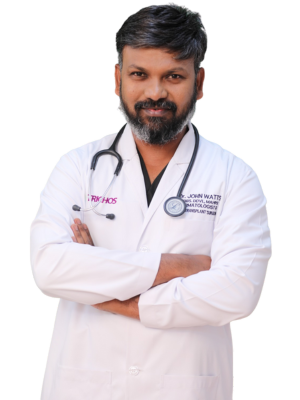
- Experienced Team: Led by Dr. John Watts, a dermatologist and hair transplant surgeon.
- Transparent Pricing: Fees are explained at consultation before treatment begins.
- Comprehensive Care: From initial consultation to post-treatment follow-up, we provide a seamless experience.
When to Seek Treatment?
The best time to address Androgenic Alopecia is as soon as early signs of hair thinning or shedding are noticed. If you have a family history of baldness or are experiencing hair loss at an accelerated rate, it’s time to consult a specialist.
Rare Hereditary Hair Loss Conditions
While Androgenic Alopecia is the most common hereditary hair loss condition, rarer disorders like Hypertrichosis also exist. Hypertrichosis, often referred to as "werewolf syndrome," causes excessive hair growth on specific parts of the body and affects one in 340 million people. Treatment for this condition typically involves specialized hair removal techniques.
Conclusion
Androgenic Alopecia, though a common condition, can have profound effects on one’s confidence and self-image. Early intervention and expert care are essential for effective treatment and hair restoration.
At Trichos Hair Clinic, we offer diagnosis and treatment options for hereditary hair loss.
For more information, see our guide on Nutritional Deficiency.
For more information, see our guide on Hirsutism.